
TA3-Cleaning Fundamentals for Critical Manufacturing Applications
Tyler Wheeler (Ecoclean, Inc.)
Tuesday, October 27, 2026 (1:30 PM – 5:30 PM)
The cleanliness requirements specific to critical manufacturing and precision engineering applications are crucial to delivering high-quality, high-tolerance products and consistent results. This tutorial will help explain the basic principles of surface cleaning and what influences “How clean is clean?” as well as considerations that go into the selection of the equipment, chemistry, and processes of cleaning precision parts.
Given the stringent cleanliness requirements necessary to achieve high-quality results in precision manufacturing, optics, and coating applications, it is increasingly important to understand the complete cleaning ecosystem. A critical first step is understanding incoming factors such as identifying and characterizing the nature of incoming contamination. From there, the course reveals the core fundamentals of Time, Temperature, Chemistry, and Mechanics, emphasizing how to actively control and monitor these critical parameters to ensure a reliable, repeatable cleaning process. Prior to final assembly, inspection, or subsequent manufacturing steps, it is essential to understand how to evaluate particulate, filmic, and molecular cleanliness to ensure components meet exact specifications and perform as designed.
While the course covers the necessary hardware, the primary focus remains heavily on the cleaning processes themselves, their influencing factors, specific uses, and their applications. Attendees will explore the differences, impacts, and appropriate implementations of various methodologies, such as Aqueous versus Solvent cleaning. The course will also include relevant case studies focusing on precision metal substrates, ceramics, and critical optical/glass components to illustrate these process principles in action.
While structured as a foundational overview of cleaning principles, the course material delves into advanced topics relevant to precision manufacturing. Depending upon the attendee’s level of experience, this course serves as both a thorough introduction to the basics and a deep dive into these critical processes, quickly building to an advanced technical level of understanding.
Learning Outcomes
This course will enable you to:
- Apply cleaning principles to critical manufacturing and precision engineering applications, including precision metals, ceramics, and optical components.
- Identify and characterize the nature of incoming contamination, including particulate, filmic, and molecular types (organic, non-organic, oils, greases, etc.).
- Deploy effective cleaning processes by actively controlling and monitoring the core fundamentals of Time, Temperature, Chemistry, and Mechanics.
- Differentiate between solvent and aqueous cleaning methodologies to determine their appropriate implementation and impact on precision parts.
- Determine the optimal equipment and chemistry combinations required for specific contamination removal.
- Evaluate and quantify surface cleanliness according to recognized industry standards to ensure high-tolerance components meet exact specifications prior to final assembly or inspection.
Prerequisites
Undergraduate training in engineering, science, or technology or in plant experience with component manufacturing is assumed.
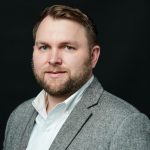
Tyler Wheeler is the Applications and Test Center Manager at Ecoclean Inc. in Southfield, Michigan, where he leads the industrial and precision cleaning applications engineering department and the North American test centers. Since joining Ecoclean in 2010, Tyler has gained over 16 years of experience in engineering, applications, and product strategy, previously serving on the Global Product Line Development Committee. He aligns the company’s North American initiatives with global efforts to develop innovative cleaning technologies.
An active industry leader, Tyler serves as the Chair of the Substrate Preparation and Cleaning Technical Advisory Committee for the Society of Vacuum Coaters (SVC). He is highly engaged in industry education, frequently teaching tutorials and presenting to professional associations on advanced equipment designs. His work helps manufacturers meet evolving cleanliness standards while reducing resource consumption and improving process efficiency. With a background in Manufacturing Engineering Technologies, Tyler was inducted into the Apollo Career Center Alumni Hall of Fame in 2019 for his professional achievements.